In the quest to maximise garden storage space, the creative use of vertical space emerges as a transformative strategy that can redefine how you organise and utilise your outdoor area. While gardens are traditionally associated with sprawling horizontal layouts, there is a growing recognition of the untapped potential that vertical space offers. By thinking upwards rather than outwards, you can create a more efficient, aesthetically pleasing, and organised garden.
One of the simplest yet most effective ways to utilise vertical space is by installing wall-mounted shelves or racks. These provide an excellent solution for storing gardening tools, pots, and small equipment that might otherwise clutter the ground. By keeping these items off the floor, you not only free up valuable space but also make everything more accessible. Opt for sturdy, weather-resistant materials to ensure longevity and consider adjustable shelving units that can accommodate different sizes of tools and containers.
Beyond shelves, vertical gardens have become increasingly popular. These are particularly useful for those with limited ground area. Vertical planters, wall-mounted containers, and even pocket gardens can transform a bare wall into a lush, green tapestry. Not only do they save space, but they also add a touch of nature and beauty to your garden. Herbs, succulents, and small flowering plants thrive in such arrangements, providing both functionality and decoration.
Trellises and pergolas represent another dimension of vertical gardening. Climbing plants like clematis, ivy, or roses can be trained to grow upwards, creating a natural screen or a shaded area. This not only maximises space but also introduces an element of privacy and a vertical point of interest in your gardens design. The vertical growth of these plants can also help to create microclimates, offering shade and shelter to more delicate plants below.
For a more innovative approach, consider utilising vertical storage units specifically designed for outdoor spaces. These can range from tall cupboards to modular storage systems that can be customised to fit your specific needs. Such units can house everything from gardening tools to seasonal decorations, keeping them organised and protected from the elements.
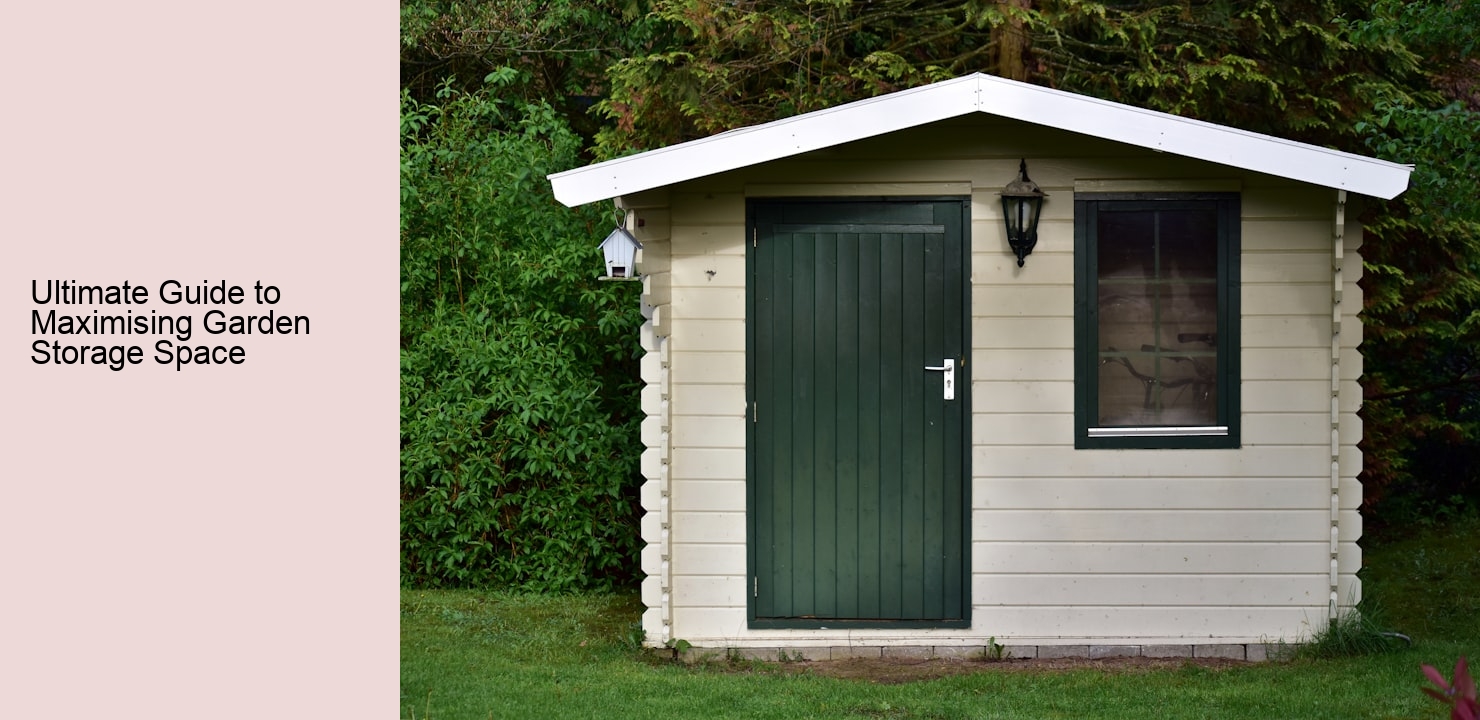
Finally, dont overlook the potential of vertical space on existing structures like fences and sheds. Hooks and brackets can be installed to hang tools or decorative items. This not only keeps these items within easy reach but also contributes to an organised and tidy appearance.
In conclusion, the creative use of vertical space in a garden setting is a smart, efficient way to maximise storage while enhancing the overall aesthetic. By thinking vertically, you can transform your garden into a well-organised, beautiful, and functional space that makes the most of every inch. Whether through vertical planters, trellises, or wall-mounted storage solutions, the possibilities are as diverse as they are rewarding. Embrace this upward approach and watch as your garden becomes a testament to both creativity and practicality.
Ingenious Storage Solutions for Small Gardens: The Ultimate Guide to Maximising Garden Storage Space
In the bustling world of urban living, where space is often at a premium, small gardens have become a precious retreat for many. These miniature green sanctuaries offer a slice of nature amidst the concrete, but they also pose a unique challenge: storage. The key to enjoying a small garden lies in clever storage solutions that maximise space without sacrificing style or functionality. This guide explores some innovative ideas to make the most of your outdoor haven.
Firstly, consider vertical storage. When ground space is limited, think upwards. Wall-mounted shelves, hanging pots, and vertical planters can transform bare walls into vibrant displays of flora while providing much-needed storage for gardening tools and accessories. A trellis with hooks can serve as a dual-purpose structure, supporting climbing plants while offering a place to hang tools and baskets. Vertical storage not only saves space but also adds an artistic flair to your garden.
Next, embrace multifunctional furniture. In a small garden, every piece should serve more than one purpose. Benches with built-in storage compartments can hide away cushions, gardening gloves, or small tools. Similarly, tables with under-shelf storage provide a place to enjoy a cup of tea while keeping essentials close at hand. By selecting furniture that doubles as storage, you ensure that your garden remains clutter-free and inviting.
Another ingenious solution is the use of foldable or stackable items. Folding chairs and tables can be easily stored away when not in use, freeing up valuable space for other activities. Stackable pots and planters allow for a flexible garden layout, which can be rearranged as needed. This adaptability is particularly useful in small gardens, where space may need to accommodate different functions at different times.
Moreover, think about hidden storage. Concealed compartments can be integrated into garden structures. For instance, a raised garden bed with a hollow base can store pots and soil. Similarly, a deck with a lift-up hatch can provide a discreet area for keeping larger items like hoses and watering cans. Hidden storage ensures that your garden remains aesthetically pleasing while being practical.
Lastly, don't overlook the potential of repurposed items. Old crates, wooden pallets, and vintage trunks can be transformed into charming garden storage solutions. These items not only provide additional space but also infuse your garden with character and a sense of history. With a bit of creativity, repurposed items can become focal points in your garden design.
In conclusion, maximising storage space in a small garden requires a blend of creativity, practicality, and style. By incorporating vertical elements, multifunctional furniture, foldable items, hidden compartments, and repurposed treasures, you can transform your limited outdoor space into a well-organised and enchanting retreat. With these ingenious storage solutions, your small garden can become a true oasis of calm and functionality in the heart of the city.
Seasonal Storage: Rotating Your Tools and Equipment
Maximising garden storage space is an art, one that requires careful planning, organisation, and a touch of creativity. An essential strategy in this endeavour is the practice of seasonal storage, which involves rotating your tools and equipment based on the changing needs of the garden throughout the year. This approach not only ensures that you have easy access to what you need when you need it, but also helps maintain the longevity and functionality of your gardening tools.
As the seasons change, so do the requirements of your garden. In spring, the focus is on cultivating new growth, which means access to seed trays, soil, trowels, and watering cans is crucial. As summer arrives, the emphasis shifts to maintenance and support, necessitating easy access to pruners, ties, and plant food. Autumn brings with it the task of harvesting and preparing for winter, requiring storage for rakes, wheelbarrows, and composting equipment. Finally, winter is the time for rest and repair, when many tools can be stored away, making room for equipment used to protect plants from frost and to plan the next gardening season, such as frost cloths and garden planners.
The process of seasonal rotation begins with a thorough inventory of your gardening tools and equipment. Take stock of what you have, noting the condition and frequency of use of each item. This will help you determine what needs to be accessible and what can be stored away when not in use. Investing in a few essential storage solutions can greatly enhance this process. Wall-mounted racks, pegboards, and shelving units can provide versatile and efficient storage options. For smaller items, consider using labelled bins or baskets that can be easily swapped out as the seasons change.
When storing tools and equipment, it's important to consider their care. Clean each tool before storing it away for an extended period to prevent rust and decay. Wooden handles can be treated with linseed oil to keep them from drying out and cracking. Metal components should be wiped down with a light coating of oil to protect them from rust. By maintaining your tools in this way, you ensure they remain in good working order, ready for use when the season demands.
Additionally, consider the layout of your storage space. Keep frequently used items at the front and within easy reach, while seasonal or rarely used items can be placed towards the back or higher up. This not only maximises space but also ensures a smoother transition between seasons.
Finally, embrace the opportunity to declutter. Seasonal storage is an excellent time to assess what tools and equipment you truly need. Donate or recycle items that are rarely used or have become obsolete. This not only frees up space but also encourages a more sustainable approach to gardening.
In conclusion, rotating your tools and equipment with the seasons is a practical and efficient way to maximise garden storage space. By keeping your storage area organised, clean, and adaptable, you ensure that everything is in its right place, ready for action when the time comes. This thoughtful approach not only enhances the gardening experience but also extends the life of your tools, making it a win-win for any avid gardener.
In the quest for a more organised and efficient garden, maximising storage space becomes a pivotal endeavour, especially when working within a budget. The garden, often a sanctuary for relaxation and creativity, can quickly become cluttered with tools, pots, and other gardening essentials. However, with a bit of ingenuity and some budget-friendly hacks, it is possible to transform a chaotic garden into a well-ordered haven.
One of the most efficient ways to maximise garden storage is by utilising vertical space. Walls and fences, often overlooked, can serve as excellent storage solutions. By installing simple shelves or hanging racks, you can keep tools and smaller items off the ground, making them easily accessible. Pallets, which can often be sourced for free or at a low cost, can be repurposed into vertical planters or tool organisers. By painting or staining them, they can also add a decorative touch to your garden.
Another clever hack is to repurpose household items. Old wooden crates or wine boxes can be turned into charming storage units for pots, soil, and other gardening paraphernalia. These items can be stacked or mounted on walls, providing a rustic yet functional solution. Similarly, unused tin cans can be painted and attached to a wooden board to create an attractive and practical herb garden or tool holder.
For those with a knack for DIY, building a potting bench can be an invaluable addition to the garden. Not only does it provide a dedicated space for potting plants, but it can also incorporate shelves and hooks to store various gardening tools and accessories. Using reclaimed wood or leftover materials can significantly reduce costs, while still offering a sturdy and useful piece of garden furniture.
Garden furniture can also double as storage solutions. Benches with built-in storage compartments or hollow ottomans can hide away cushions, small tools, or childrens outdoor toys. By choosing furniture that serves multiple purposes, you can save space and maintain a tidy garden.
Moreover, organising smaller items using jars, buckets, or baskets can help maintain order. Labelling these containers ensures that everything has its place, making it easier to find items when needed. Clear containers are particularly useful as they allow for quick identification of contents, saving time and reducing frustration.
Finally, consider implementing a composting system. Not only does composting reduce waste, but it also provides a valuable resource for your garden. Compost bins can be made from simple materials such as wire mesh or wooden pallets, and they can be tucked away in a discreet corner of the garden, utilising space that might otherwise be wasted.
In conclusion, maximising garden storage on a budget requires a blend of creativity, resourcefulness, and a willingness to repurpose and reuse materials. By thinking vertically, repurposing household items, and opting for multi-functional furniture, you can create a more organised and efficient garden space. These budget-friendly hacks not only save money but also contribute to a more sustainable and enjoyable garden environment.